
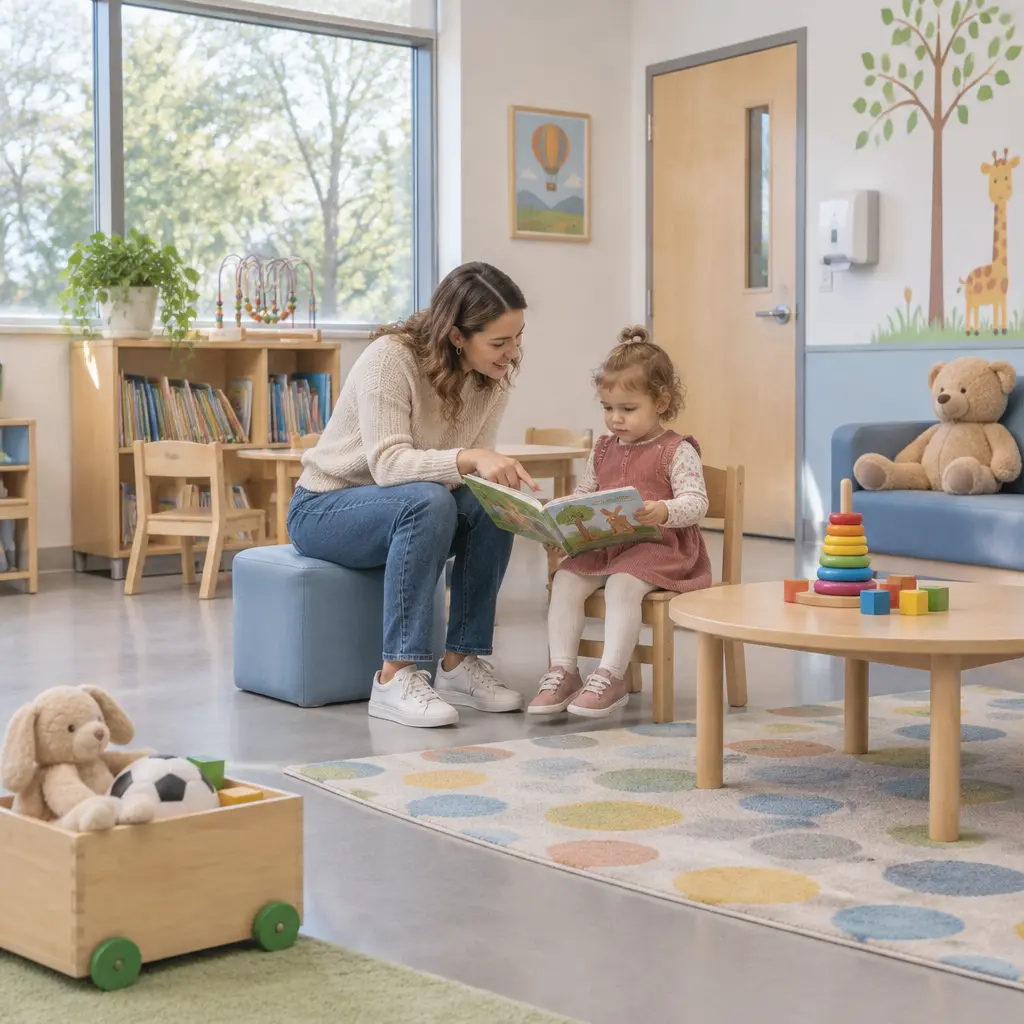
Infants and toddlers facing cancer treatment need care that protects their developing bodies while supporting their comfort, attachment, and emerging understanding. Pediatric cancer is uncommon in this age group, but treatment can involve hospitalization, painful procedures, changes in routine, and separation from familiar caregivers. Support works best when families and the oncology team coordinate age-appropriate symptom relief, feeding and developmental care, emotional support, and practical help. The National Cancer Institute (NCI) reports that cancer is rare in children overall, while the American Cancer Society estimates that about 9,620 children under age 15 in the United States will be diagnosed in 2024. This article explains what supportive care means, how it can be tailored to infants and toddlers, and how caregivers can advocate for a coordinated plan.
Supportive care and infant-toddler cancer treatment
Supportive care is care that prevents or relieves the symptoms and effects of cancer and its treatment, while helping a child and family maintain the best possible quality of life. The NCI describes supportive care as care given to prevent, control, or relieve complications and side effects and to improve comfort and quality of life. It can begin at diagnosis and continue alongside treatment; it is not limited to end-of-life care.
For infants and toddlers, supportive care must account for rapid physical and developmental change. Children under three may not be able to describe pain, nausea, fear, or fatigue reliably. Their needs are therefore assessed through observation, caregiver knowledge, and age-appropriate clinical tools. Supportive care may include symptom management, nutrition and hydration, developmental and psychosocial support, infection prevention, rehabilitation, and help navigating treatment logistics.
Age-specific assessment and communication
Age-specific assessment means evaluating a child’s symptoms and abilities using methods suited to their developmental stage. Infants communicate distress through changes such as crying, facial expression, sleep, feeding, and movement. Toddlers may use a few words or gestures but still need adults to interpret behavior in context. Caregivers can help clinicians identify what is unusual for the child, while the team uses structured assessment and repeated checks to guide care.
The Centers for Disease Control and Prevention notes that early childhood is a period of rapid development. Cancer care should therefore track not only tumor response and treatment effects but also growth, movement, communication, play, and social interaction. Families can ask which symptoms require an urgent call, whom to contact after hours, and how the team will reassess pain or distress when a child cannot explain it.
Palliative care alongside cancer treatment
Pediatric palliative care is specialized support for quality of life and relief from illness-related suffering. The World Health Organization says palliative care for children involves the active total care of the child’s body, mind, and spirit, as well as support for the family. It can be provided at any stage of illness and alongside treatments intended to cure or control cancer. This distinction matters: palliative care does not mean that cancer treatment is stopping.
A palliative care team may help manage pain, nausea, sleep problems, or anxiety; support difficult conversations; and coordinate care across hospital and home. Families can ask whether pediatric palliative care is available early, rather than waiting until symptoms become difficult to manage. Its involvement can complement the oncology team and help caregivers clarify goals and preferences as circumstances change.
Symptom management during infant and toddler cancer treatment
Symptom management is the systematic assessment and treatment of discomfort or complications caused by cancer or its therapy. Common concerns can include pain, nausea, vomiting, constipation, mouth sores, fatigue, appetite changes, and sleep disruption. The type and severity of symptoms depend on the diagnosis, treatment, and individual child; families should not assume that a symptom is inevitable or manage it with medication without guidance from the oncology team.
Pain and distress
Pain assessment in very young children relies on observable behavior as well as medical history and caregiver input. A child’s grimacing, guarding, reduced movement, unsettled sleep, or difficulty being comforted may be meaningful, although these signs can also have other causes. Clinicians may use validated observational tools, such as the FLACC scale, which scores face, legs, activity, cry, and consolability for children who cannot reliably self-report.
Pain relief may combine prescribed medicines with non-drug comfort measures, including holding, soothing routines, distraction, and developmentally appropriate play. Before a procedure, caregivers can ask what discomfort is expected, what pain relief or numbing options are available, and how the team will check whether they worked. Do not give over-the-counter medicines, supplements, or topical products unless the oncology team approves them, because treatment can affect infection risk, bleeding, and medicine interactions.
Nausea, hydration, and nutrition
Nutrition support aims to maintain hydration, growth, and adequate intake while making eating as comfortable as possible. Treatment-related nausea, mouth pain, taste changes, or low appetite can disrupt feeding, and infants and toddlers may be especially vulnerable to dehydration because of their small body size. The team may involve a pediatric dietitian and monitor weight, growth patterns, intake, urine output, and treatment-specific risks.
Caregivers can ask whether to continue breast milk, formula, or familiar foods; what to offer when appetite is poor; and which signs of dehydration require a call. Follow the clinical team’s advice on food safety, since some cancer treatments weaken immune defenses. A feeding plan should be individualized rather than based on pressure to finish a particular amount at every meal.
Infection prevention and urgent symptoms
Infection prevention includes reducing exposure where appropriate, following hand hygiene guidance, and knowing when treatment-related immune suppression makes a fever urgent. The NCI explains that some cancer treatments can lower white blood cell counts, increasing infection risk. The child’s oncology team should provide a written fever threshold and specific instructions for contacting the hospital; thresholds and procedures can vary by treatment and institution.
Families should keep the oncology team’s emergency number accessible and seek advice promptly for fever at or above the team’s specified threshold, breathing difficulty, unusual sleepiness, signs of dehydration, uncontrolled pain, or other symptoms identified in the child’s care plan. A young child can worsen quickly, so caregivers should not wait for a routine appointment when the team has designated a symptom as urgent.
Developmental, emotional, and family support
Developmental and psychosocial support protects a young child’s sense of safety, relationships, and opportunities to learn through play. Hospital visits and treatment can interrupt sleep, caregiving routines, and contact with familiar people. Because infants and toddlers depend on adults to regulate stress, consistent, responsive caregiving is a central part of support—not an optional extra.
Attachment, routine, and preparation
Attachment refers to a young child’s close relationships with familiar caregivers, who provide comfort and a secure base. When possible, keeping a parent or trusted caregiver present, preserving familiar soothing routines, and bringing a comfort object can make unfamiliar settings less overwhelming. The American Academy of Pediatrics emphasizes that family-centered care recognizes parents as essential partners in a child’s health care.
Preparation should match the child’s developmental level. A toddler may benefit from a brief, simple explanation immediately before a procedure, a choice between two acceptable options, or medical play with a toy. Infants may respond more to calm voices, touch, familiar smells, and predictable transitions than to verbal explanation. Child life specialists can help families and clinical teams plan these supports.
Play, development, and rehabilitation
Play is a primary way young children communicate, explore, and practice skills. Developmental support can include safe play, reading, movement, and interaction suited to the child’s energy and medical restrictions. Physical, occupational, or speech-language therapists may be involved when illness or treatment affects mobility, self-care, feeding, or communication. The plan should be coordinated with the oncology team, particularly when infection precautions or medical devices limit activities.
Caregivers can ask how to maintain development during hospitalization and what activities are safe at home. If a child loses a previously acquired skill, shows a sustained change in interaction, or has difficulty feeding or moving, report it to the care team. Such changes do not necessarily indicate a lasting developmental problem, but they merit assessment.
Caregiver well-being and practical assistance
Family support includes emotional care and practical help with the demands of treatment. Caregivers may face disrupted work, travel costs, childcare needs for siblings, uncertainty, and exhaustion. Social workers, psychologists, spiritual care providers, and patient navigators can help families identify financial assistance, lodging, transportation, counseling, and community resources.
Caregiver stress can make it harder to absorb complex instructions, so written plans, teach-back, and a designated contact person can help. Families should tell the team when they are struggling to manage medication schedules, appointments, feeding, or home care. Asking for help is a safety measure that supports both the child and the caregiver.
Coordinating care and advocating for the child
Coordinated care connects oncology, nursing, primary care, supportive and palliative care, nutrition, developmental services, and family support. A clear plan can reduce confusion when a child moves between hospital, clinic, and home. The National Academies’ work on high-quality cancer care highlights coordination and communication as important features of effective cancer services.
Questions families can ask
- Who is our main contact during clinic hours and after hours?
- Which symptoms or temperature readings require an immediate call or emergency assessment?
- How will pain, nausea, feeding, hydration, and sleep be assessed?
- Which medicines are safe, how should they be given, and what should we do if a dose is missed or vomited?
- Can a child life specialist, dietitian, social worker, or palliative care clinician support us?
- How can we preserve familiar routines and developmental activities safely?
A practical home-care plan
A home-care plan is a shared, written guide for everyday treatment tasks and urgent situations. It should be specific to the child and updated when treatment changes. Families may find it helpful to keep the medication list, appointment schedule, emergency contacts, fever instructions, and symptom notes together, while avoiding changes to prescribed treatment without clinical guidance.
- Record the oncology team’s contact details and exact emergency instructions.
- Keep an up-to-date list of medicines, doses, allergies, and the times they are given.
- Note changes in behavior, feeding, fluid intake, temperature, sleep, and symptoms to share with clinicians.
- Ask for instructions in writing and repeat them back to confirm understanding.
- Review the plan with the team after a hospital discharge or treatment change.
Conclusion: making cancer care safer and more humane for the youngest children
Supporting infants and toddlers through cancer treatment means combining symptom management with developmentally informed, family-centered care. Age-specific assessment, pain and nutrition support, infection guidance, palliative care alongside treatment, familiar relationships, play, and coordinated practical help all contribute to a child’s comfort and well-being. Because infants and toddlers cannot reliably explain what they feel, caregivers’ observations and partnership with the clinical team are especially important. Ask the oncology team for an individualized written plan, clarify urgent warning signs, and request supportive services early. For further guidance, consult the child’s pediatric oncology team and trusted organizations such as the National Cancer Institute, the American Academy of Pediatrics, and the Children’s Oncology Group.
Sources: National Cancer Institute, Supportive Care in Cancer, https://www.cancer.gov/about-cancer/treatment/side-effects; American Cancer Society, Key Statistics for Childhood Cancers, https://www.cancer.org/cancer/types/cancer-in-children/about/key-statistics.html; World Health Organization, Palliative Care, https://www.who.int/news-room/fact-sheets/detail/palliative-care; Centers for Disease Control and Prevention, Child Development, https://www.cdc.gov/ncbddd/childdevelopment/index.html; Merkel, S. I., et al., The FLACC: A Behavioral Scale for Scoring Postoperative Pain in Young Children, Pediatric Nursing, https://pubmed.ncbi.nlm.nih.gov/10214687/; American Academy of Pediatrics, Patient- and Family-Centered Care and the Pediatrician’s Role, https://publications.aap.org/pediatrics/article/129/2/394/31793/Patient-and-Family-Centered-Care-and-the; National Academies of Sciences, Engineering, and Medicine, Delivering High-Quality Cancer Care: Charting a New Course for a System in Crisis, https://nap.nationalacademies.org/catalog/18359/delivering-high-quality-cancer-care-charting-a-new-course-for-a